Contents
- 1 No Permanent Employee in Punjab Now: Marriyum Aurangzeb’s New Policy
No Permanent Employee in Punjab Now: Marriyum Aurangzeb’s New Policy
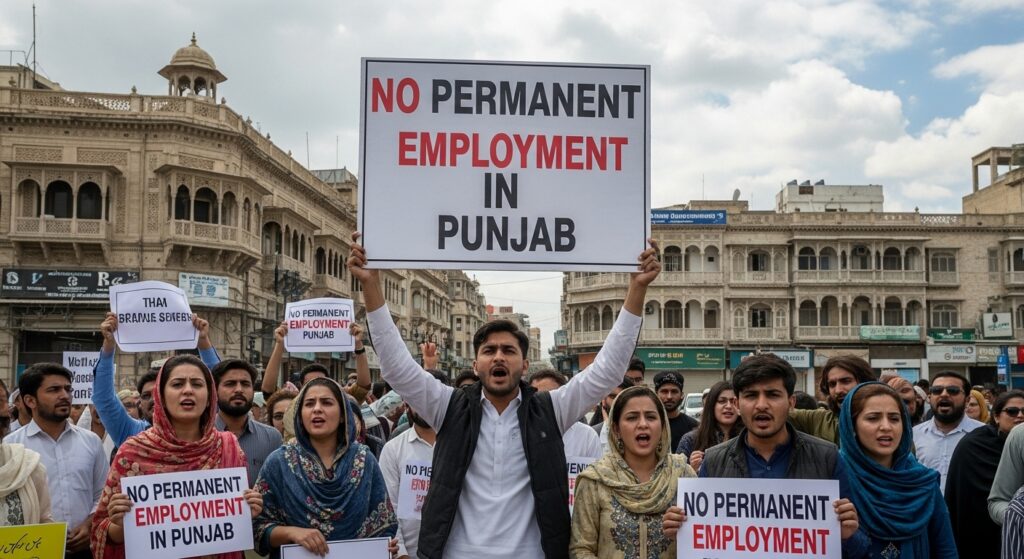
No Permanent Employee in Punjab Now: Marriyum Aurangzeb’s New Policy
In a landmark decision set to reshape the employment landscape in Punjab, Senior Minister Marriyum Aurangzeb has confirmed the approval of a summary stating that there will be no permanent employee hiring in the province moving forward. This major policy shift is part of a broader reform agenda that introduces a mandatory teacher license system for Secondary School Educators (SSEs) and Assistant Education Officers (AEOs), tying job security to performance and continuous professional development. This article breaks down the new policy, its implications, and what it means for thousands of aspiring government employees.
Understanding the New Contract-Based Framework
The core of the new policy is the transition away from the traditional “permanent” or “regular” employment model for government positions. Instead, all future hiring will be on a contractual basis. According to the announcement by Marriyum Aurangzeb, this move aims to enhance accountability and performance within the public sector. The decision to have no permanent employee in Punjab now signifies a fundamental change in how the government manages its workforce, prioritizing efficiency and merit over long-term tenure.
The Teacher License System: A Game Changer for SSEs and AEOs
A central pillar of this reform is the introduction of a new teacher license system. This system will directly impact the recruitment and service structure of educators, specifically SSEs and AEOs. It is designed to ensure that only qualified and competent individuals are leading classrooms and educational administration across Punjab.
Key Features of the Teacher License
- Mandatory for Employment: To be eligible for a position as an SSE or AEO, candidates must first obtain the teacher license.
- Three-Year Exemption Period: Initially, successful candidates will be granted a three-year exemption or probationary period.
- Performance-Based Renewal: After three years, educators must renew their license. This renewal will likely be based on performance reviews, training, and other professional development metrics.
- Continuous Improvement: The system encourages teachers to stay updated with the latest pedagogical techniques and subject matter knowledge.
Impact on Future Government Jobs in Punjab
This policy is expected to have far-reaching consequences. For job seekers, the focus must now shift from seeking permanent tenure to demonstrating consistent performance and a willingness to adapt. For the education sector, the government hopes this will lead to a more dynamic and effective teaching force. To understand the shift clearly, here is a comparison:
| Feature | Previous System (Permanent) | New System (Contract + License) |
|---|---|---|
| Job Security | High, often for the entire career | Performance-based, tied to license renewal |
| Hiring Basis | Regular/Permanent after probation | Contractual from the start |
| Professional Development | Optional for career growth | Mandatory for license renewal and job retention |
| Accountability | Limited performance metrics | High, with regular reviews for renewal |
For more detailed official information, you can refer to the official Punjab Government portal for upcoming notifications.
Frequently Asked Questions (FAQs)
1. Does this new policy apply to all government jobs in Punjab?
While the announcement emphasized the education sector (SSEs and AEOs), the statement “No permanent employee will be in Punjab now” suggests this policy could be implemented across most government departments in the future. Official notifications will clarify the scope.
2. What happens to currently employed permanent teachers?
This new policy is expected to apply to future hiring. Existing permanent employees will likely remain under their current service structures. However, they may be encouraged or required to participate in new professional development programs.
3. How can I obtain the new teacher license?
The government will soon release the complete framework, eligibility criteria, and procedure for obtaining the teacher license. Aspiring candidates should monitor official education department websites for announcements regarding the testing and application process.
4. What is the purpose of the three-year exemption?
The three-year period serves as an initial contract or probationary phase. It allows the department to assess a teacher’s performance, classroom effectiveness, and overall competence before they become eligible for license renewal and contract extension.
5. Will this policy improve the quality of education?
Proponents argue that by linking job security to performance, the system will motivate educators to improve their skills, ultimately benefiting students. It aims to filter out non-performing individuals and retain a highly competent teaching workforce.
6. Who are SSEs and AEOs?
SSEs are Secondary School Educators, who teach at the secondary level. AEOs are Assistant Education Officers, who play a supervisory and administrative role, often overseeing a cluster of schools to ensure quality and compliance.
7. When will this policy be officially implemented?
With the summary already approved, the official notification and implementation roadmap are expected to be released by the Punjab government very soon. Future job advertisements will reflect these new terms and conditions.
8. Will the salary and benefits be different for contract employees?
Typically, contract positions have specific pay scales and benefits packages that may differ from permanent roles. The details regarding salary, allowances, and other benefits will be outlined in the official recruitment policy and job advertisements.
9. What is the main reason for ending permanent jobs in Punjab?
The government’s stated goal is to create a more efficient, modern, and performance-driven public sector. This move is intended to increase accountability and ensure that public services, especially education, are delivered by a competent and motivated workforce.
10. Where can I find the latest updates on this policy?
Stay tuned to “Educational Trending News” for the latest updates. Also, regularly check the official websites of the Punjab School Education Department and the Punjab Public Service Commission (PPSC) for official announcements.
Conclusion: A New Era for Punjab’s Workforce
The announcement that no permanent employee will be in Punjab now marks a significant turning point for public sector employment. The introduction of the teacher license system for SSEs and AEOs is the first major step in this direction, aiming to build a merit-based educational framework. While this shift may present new challenges, it also opens doors for dedicated professionals to thrive based on their skills and performance, potentially heralding a new era of public service in the province.
What are your thoughts on this new employment policy? Share your opinion in the comments section below and join the discussion!
پنجاب میں اب کوٸی ملازم مستقل نہیں ہو گا۔ مریم اورنگزیب۔
سمری منظور۔
ایس ایس ایز اور ے ای اوز کے لیے ٹیچر لاٸسنس کا نظام لانے کا فیصلہ۔
جو بھی ٹیچر لاٸسنس حاصل کرے گا تین سال کے لیے ایکشںنٹن دی جاٸے گی۔ تین سال بعد دوبارہ ٹیچر لاٸسنس حاصل کرنا ہو گا۔